Farcryprimal.part2.rar

"Sayla," he whispered, the name of the gatherer who had saved him.

As the sun dipped below the jagged peaks, painting the valley in hues of blood and amber, Takkar gripped his spear. The first half of his struggle was over; the reclamation of Wenja land was just beginning. The valley was silent, but in the shadows, the heartbeat of the Stone Age pulsed, waiting for its master to claim it. Protagonist: Takkar, a Wenja tribesman. Setting: Oros, a fictional valley in Central Europe. FarCryPrimal.part2.rar

He reached into his pouch, feeling the cold weight of a flint shard—a tool not just for skinning, but for survival. His journey had been split into many trials. First, there was the loss of his hunting party to the Great Scar Bear. Now, he faced the second "part" of his destiny: the gathering of the lost. "Sayla," he whispered, the name of the gatherer

Taming wild animals to use as weapons and companions. The valley was silent, but in the shadows,

The ice had finally begun to retreat, leaving behind the lush, dangerous valley of . Takkar stood at the edge of a limestone ridge, the scent of damp earth and predator musk heavy in the air. Behind him, the Wenja people were scattered, broken by the brutal Udam cannibals and the fire-worshiping Izila.

Characters speak Wenja , a constructed language based on Proto-Indo-European.

To lead his people, Takkar knew he had to become more than a man; he had to become the . He looked toward the dense canopy where a rare blood-fanged sabertooth was rumored to prowl. To tame such a creature would require more than strength—it required the spirit of Oros itself.
Commentary volume

Commentary volume

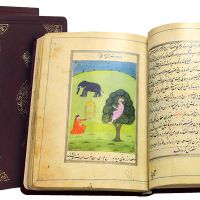
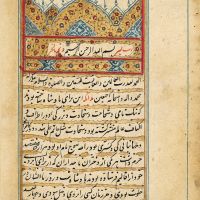
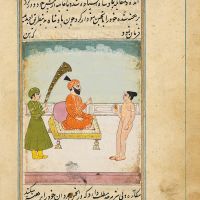
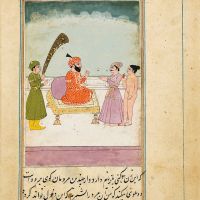
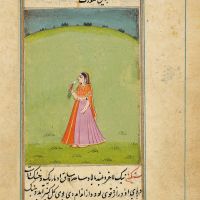
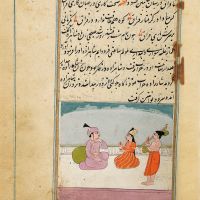
Lazzat al-nisâ (The pleasure of women)

Bibliothèque nationale de France


CONTENTS
 
  • From the Editor to the Reader
 
  • Lazzat al-nisâ and Its Significance in the Erotic Literature of the Persianate World.
Hormoz Ebrahimnejad (University of Southampton)
 
  • Lazzat al-nisâ. Translation.
Willem Floor (Independent Scholar), Hasan Javadi (University of California, Berkeley) and Hormoz Ebrahimnejad (University of Southampton)


ISBN : 978-84-16509-20-1

Commentary volume available in English, French or Spanish.

Lazzat al-nisâ (The pleasure of women) Bibliothèque nationale de France


Descripcion

Description

Lazzat al-nisâ (The pleasure of women)

Bibliothèque nationale de France


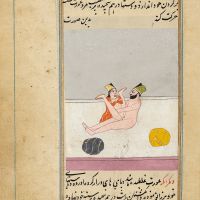
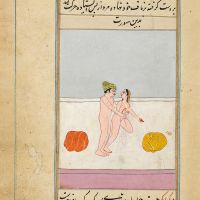
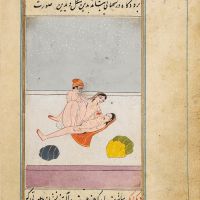
In Muslim India numerous treatises were written on sexology. Many of them included prescriptions concerning problems dealing with virility or, more precisely, with masculine sexual arousal. The Sanskrit text which is considered the primary source for all Persian translations is known as the Koka Shastra (or Ratirahasya) —derived from its author’s name, Pandit Kokkoka—, a title that was later given to all treatises in the genre. The Koka Shastra by Kokkoka was probably not the only such text known to Muslim authors.

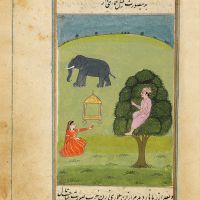
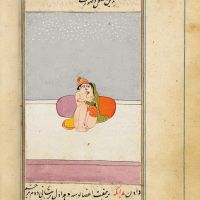
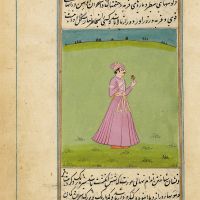
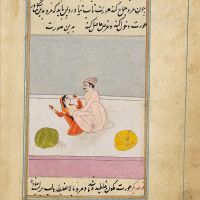
The Lazzat al-nisâ is a Persian translation of the Koka Shastra, which contains descriptions of the four different types of women and indicates the days and hours of the day in which each type is more prone to love. The author quotes all the different works he has consulted, which have not survived to this day.


"Sayla," he whispered, the name of the gatherer who had saved him.

As the sun dipped below the jagged peaks, painting the valley in hues of blood and amber, Takkar gripped his spear. The first half of his struggle was over; the reclamation of Wenja land was just beginning. The valley was silent, but in the shadows, the heartbeat of the Stone Age pulsed, waiting for its master to claim it. Protagonist: Takkar, a Wenja tribesman. Setting: Oros, a fictional valley in Central Europe.

He reached into his pouch, feeling the cold weight of a flint shard—a tool not just for skinning, but for survival. His journey had been split into many trials. First, there was the loss of his hunting party to the Great Scar Bear. Now, he faced the second "part" of his destiny: the gathering of the lost.

Taming wild animals to use as weapons and companions.

The ice had finally begun to retreat, leaving behind the lush, dangerous valley of . Takkar stood at the edge of a limestone ridge, the scent of damp earth and predator musk heavy in the air. Behind him, the Wenja people were scattered, broken by the brutal Udam cannibals and the fire-worshiping Izila.

Characters speak Wenja , a constructed language based on Proto-Indo-European.

To lead his people, Takkar knew he had to become more than a man; he had to become the . He looked toward the dense canopy where a rare blood-fanged sabertooth was rumored to prowl. To tame such a creature would require more than strength—it required the spirit of Oros itself.
Cookie preferences

We use our own and third-party cookies to improve our services by analyzing your browsing habits. For more information, you can read our cookie policy. You can accept all cookies, configure them, or reject their use by clicking one of the buttons below.