
DDR Professional recovery software provides interactive result to rescue lost files and folders from different type of storage devices including hard drive, memory card, digital camera, smart drive, flash drive, key chain drive and other USB portable media devices. Data Recovery Software rescue virus corrupted and inaccessible video-audio files, music files, memorable pictures, snaps and other similar files from HDD drive storage media and USB removable media.
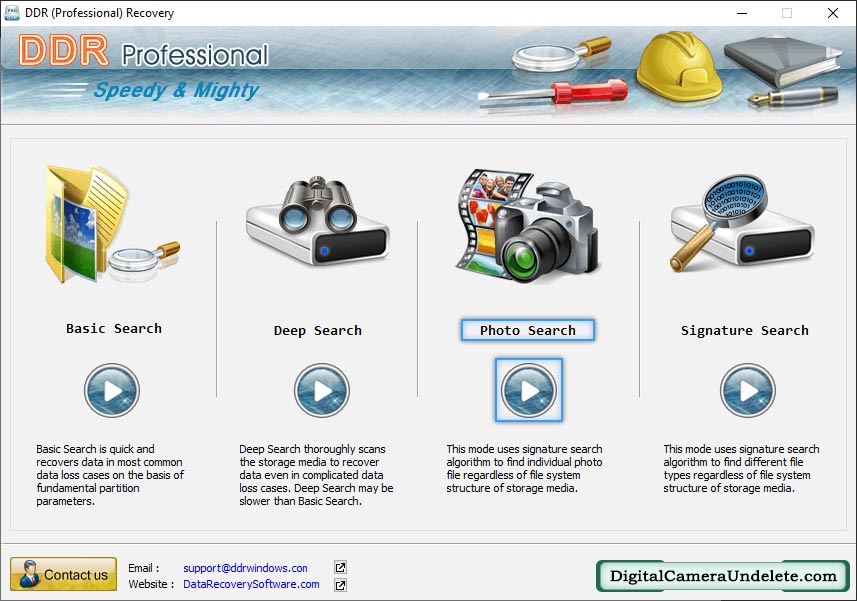
Choose any of the searching criteria to restore lost data. Here we are going to select 'Photo Search' mode for demonstration purpose.
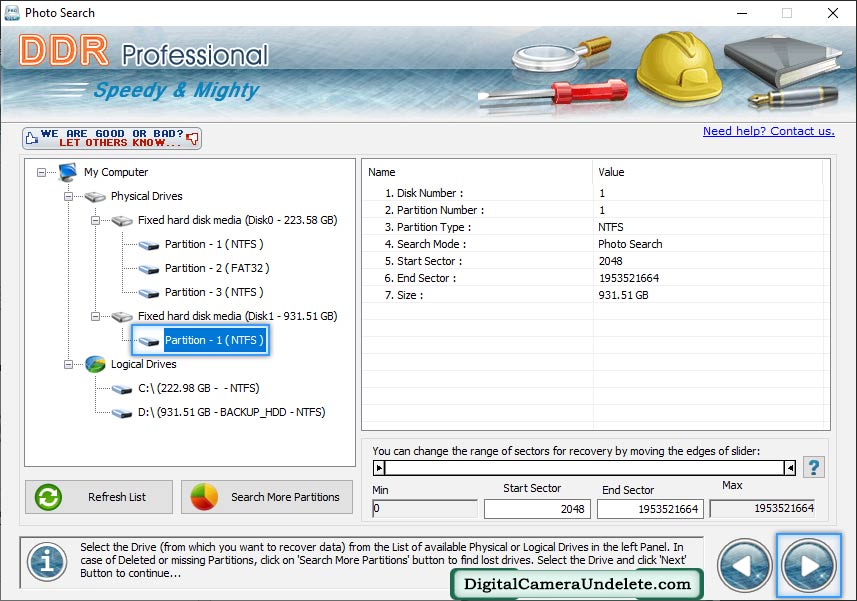
Select disk partition or drive from which you want to recover data. In case of deleted or missing partitions, click on 'Search More Partitions' button.
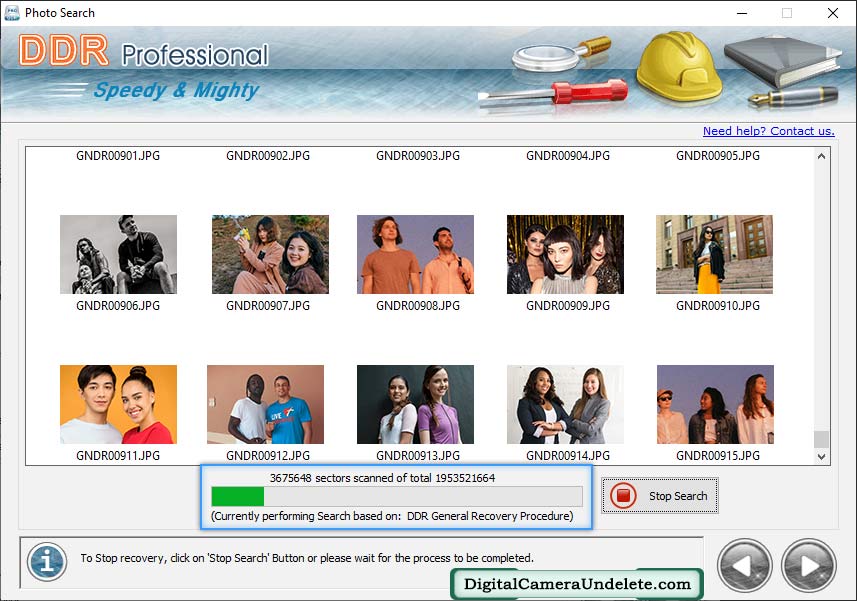
Currently performing scanning process, You can stop searching process by clicking on "Stop" button.
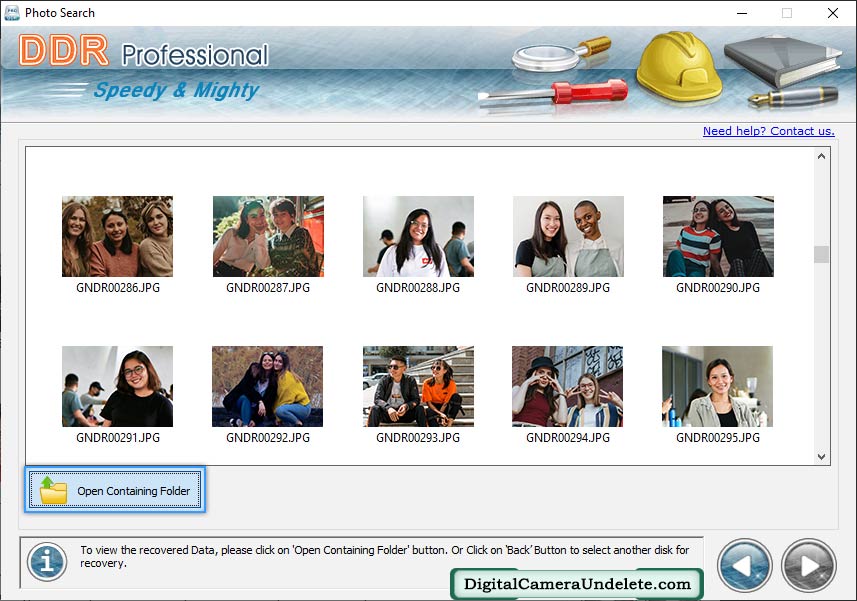
Data has been recovered successfully. To view your recovered data, click on 'Open Containing Folder' button.
In conclusion, lactation in Japan is a complex tapestry of ancient tradition and modern struggle. The country maintains a deep respect for the biological and emotional importance of breastfeeding, supported by unique clinical practices like Oketani massage. However, as Japan continues to navigate its demographic challenges and shifting workforce dynamics, the future of lactation will depend on the society's ability to provide structural support that matches its cultural ideals.
Historically, breastfeeding was the undisputed norm in Japan. During the Edo period, breastfeeding was viewed not only as a nutritional necessity but as a vital bond between mother and child. For those unable to nurse, wet nurses—often from rural areas—were employed by samurai and merchant families. This era also saw the development of specialized diets for lactating women, emphasizing "miso" soup, rice, and fish to ensure high-quality milk, a dietary tradition that persists in many modern Japanese maternity wards. Lactation Japan
In the 21st century, the Japanese government has taken proactive steps to encourage lactation through the "Healthy Japan 21" initiative and the promotion of "Baby-Friendly Hospitals." Despite these efforts, modern Japanese mothers face significant hurdles. The pressure to return to work in a demanding corporate culture often creates a "lactation gap." While Japanese law provides for "childcare time"—allowing mothers to pump or nurse during the workday—social stigma and a lack of private facilities in older office buildings can make this difficult to implement. In conclusion, lactation in Japan is a complex