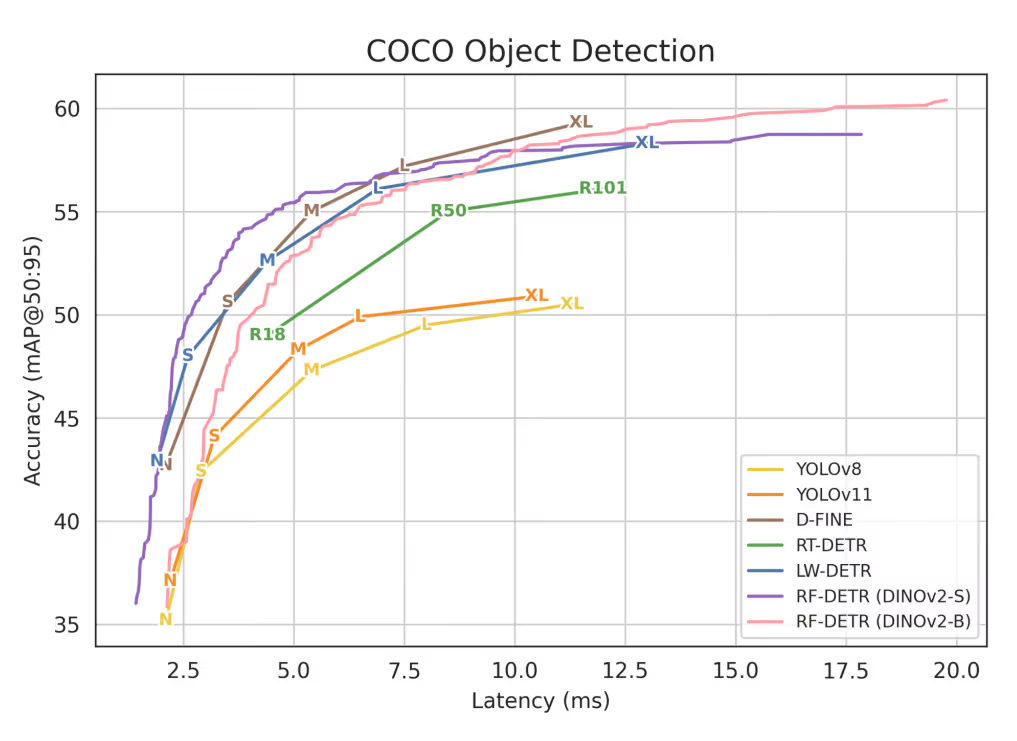
YOLOv8 is a computer vision model architecture developed by Ultralytics, the creators of YOLOv5. You can deploy YOLOv8 models on a wide range of devices, including NVIDIA Jetson, NVIDIA GPUs, and macOS systems with Roboflow Inference, an open source Python package for running vision models.
Chapter 33 of Isekai Ojisan serves as a critical, action-packed milestone that concludes the Magatsu Dungeon arc and corresponds to the anime's first season finale. Originally released in May 2021 and collected in Volume 7, the chapter focuses on the significance of the meteorite rings and the protagonist's continued obliviousness to romantic, and often chaotic, character dynamics. For more information on this chapter, visit Isekai Ojisan Wiki .
You can train a YOLOv8 model using the Ultralytics command line interface.
To train a model, install Ultralytics:
Then, use the following command to train your model:
Replace data with the name of your YOLOv8-formatted dataset. Learn more about the YOLOv8 format.
You can then test your model on images in your test dataset with the following command:
Once you have a model, you can deploy it with Roboflow.
YOLOv8 comes with both architectural and developer experience improvements.
Compared to YOLOv8's predecessor, YOLOv5, YOLOv8 comes with: Chapter 33 of Isekai Ojisan serves as a
Furthermore, YOLOv8 comes with changes to improve developer experience with the model. and often chaotic