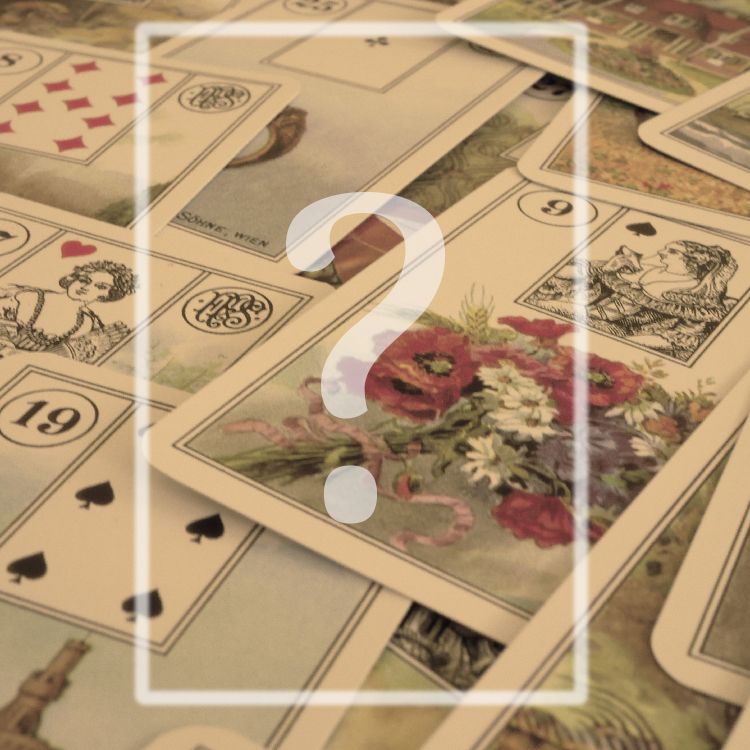
The Petit Lenormand is probably the most fascinating fortune-telling deck inherited from the 19th century. Inspired by the famous Mademoiselle Lenormand, this 36-card deck is known for its amazing ability to predict the future in a concrete and direct way. While other oracles can be vague, the Lenormand gives honest answers to daily life questions (love, work, money).
At first, it is tempting to see the Lenormand as a simpler system than the Tarot. With only 36 cards using clear symbols (a Dog, a Tree, a Key...), it seems easier to learn than the 78 complex cards of the Tarot. However, this simple look hides a clever mechanic. The story centers on , a hardcore gamer
To master this deck, learning keywords by heart is not enough. The real power of the Petit Lenormand lies in its unique grammar: This chapter reinforces the "all or nothing" rule
Download the PDF eBook version (80 pages) of this complete guide for free. Included: the 36 classic cards + the 8 bonus cards from the Gilded Reverie + thematic interpretations. This chapter is pivotal as it solidifies the
This guide was created to save you time. You will find below the full meaning of the 36 cards. For each card, I first give you the classic and traditional view (to have solid basics), followed by my modern interpretation from my personal practice, to help your readings flow better.
The story centers on , a hardcore gamer summoned to another world only to be granted the "Copy" skill—initially dismissed as the weakest ability. After his first victory in the previous chapter, Chapter 3 explores the immediate fallout and the preparation for his next impossible trial.
Unlike typical isekai heroes with god-like powers, Mikagami must rely on strategic thinking and "weak" skills to overcome vastly more powerful female gladiators.
This chapter reinforces the "all or nothing" rule of the Colosseum: winners enslave the losers. Mikagami's survival is not just about combat; it's about avoiding the extreme magical punishments and gender-bending transformations that await those who lose.
In Chapter 3 of the manga series (also known as Tensei Coliseum: Saijaku Skill de Saikyou no Onna-tachi o Koryaku Shite Dorei Harem Tsukurimasu ), the narrative shifts from the initial setup to the high-stakes reality of the arena. This chapter is pivotal as it solidifies the protagonist's survival strategy in a world designed for his failure. Chapter 3 Breakdown: Strategic Survival
Illustrated by Zunta , the series is noted for its high-quality artwork and detailed character designs, particularly for its muscular and formidable female antagonists.
Having survived his first encounter against the high-ranking gladiator Mary Landorott , Mikagami begins to fully treat his situation like a game. He uses his gamer experience to identify rule loopholes and exploit the specific mechanics of his "Copy" skill.
The battles are known for their "unhinged" and uncensored nature, blending intense action with dark, ecchi-heavy consequences for the losers.
The simplicity of the Lenormand cards can be deceptive. Following the classical interpretation of the cards, I think that beginners should still do some real learning of the Lenormand system to produce solid and consistent readings.
I hope that with the personal elements I propose for each of the cards, this progression will be facilitated. Feel free to comment and share your own vision of the cards.
Each card in the (Petit) Lenormand is a universe of symbols and meanings that intertwine with our own stories. Your personal interpretation enriches the fabric of our collective understanding. Which card resonates the most with you? Do you have a story or a personal interpretation that could shed new light on the mysteries of the (Petit) Lenormand?
I invite you to share your discoveries and stories in the comments below. Your contribution is valuable and can become a beacon for someone else on their path of discovery.
The story centers on , a hardcore gamer summoned to another world only to be granted the "Copy" skill—initially dismissed as the weakest ability. After his first victory in the previous chapter, Chapter 3 explores the immediate fallout and the preparation for his next impossible trial.
Unlike typical isekai heroes with god-like powers, Mikagami must rely on strategic thinking and "weak" skills to overcome vastly more powerful female gladiators.
This chapter reinforces the "all or nothing" rule of the Colosseum: winners enslave the losers. Mikagami's survival is not just about combat; it's about avoiding the extreme magical punishments and gender-bending transformations that await those who lose.
In Chapter 3 of the manga series (also known as Tensei Coliseum: Saijaku Skill de Saikyou no Onna-tachi o Koryaku Shite Dorei Harem Tsukurimasu ), the narrative shifts from the initial setup to the high-stakes reality of the arena. This chapter is pivotal as it solidifies the protagonist's survival strategy in a world designed for his failure. Chapter 3 Breakdown: Strategic Survival
Illustrated by Zunta , the series is noted for its high-quality artwork and detailed character designs, particularly for its muscular and formidable female antagonists.
Having survived his first encounter against the high-ranking gladiator Mary Landorott , Mikagami begins to fully treat his situation like a game. He uses his gamer experience to identify rule loopholes and exploit the specific mechanics of his "Copy" skill.
The battles are known for their "unhinged" and uncensored nature, blending intense action with dark, ecchi-heavy consequences for the losers.
Copyright © www.tarotquest.co