[s2e3] Kyle -
PCI Geomatics launches CATALYST - Earth Data, Simplified.

Meet CATALYST

History
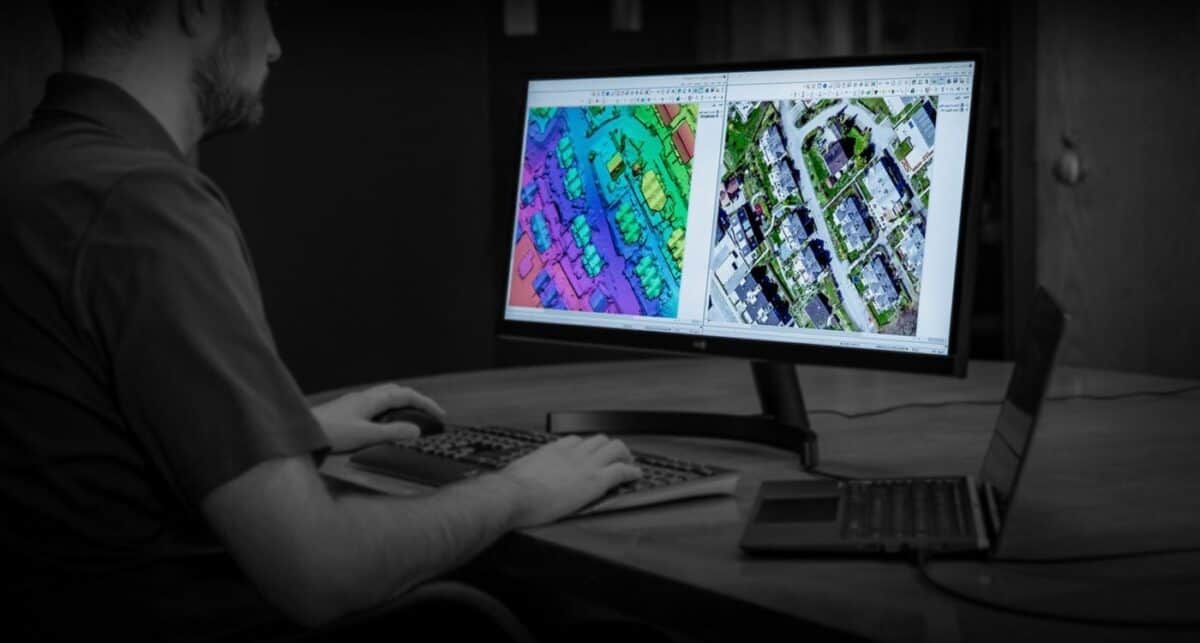
We develop complete and integrated software featuring the tools professionals need for remote sensing, digital photogrammetry, image analysis, map production, mosaicking and more. Our strength lies in our uncompromising dedication to being second to none in the imagery processing pillars that are at the foundation of the geospatial world.
Our dedicated staff develops desktop and enterprise software products that allow our customers to produce information from a myriad of aerial and satellite earth observing platforms. Our vision for the future is to make the world a better place by maximizing the value of geo-imagery.

Careers at PCI Geomatics
We offer a dynamic environment where you can use your energy, initiative and talent to build your career while working closely with a group of innovative and highly talented people. Successful candidates will be part of a team that creates, markets, sells, and supports new tools for geo-image processing and automation.
PCI Geomatics offices worldwide
PCI Geomatics Corporate Headquarters
Unit 520
Toronto
Ontario M5H 3L5
Canada
PCI Geomatics National Capital Region Office
Suite 204
Gatineau
Quebec J8Y 3Y7
Canada
PCI Geomatics USA Inc
FL 6 OFC 804
Arlington
Virginia 22209-2281
United States
PCI Geomatics UK
Harwell Space Cluster
Didcot
Oxfordshire OX11 0QR
United Kingdom
Based on the context of , the CEO of RollPros and a former "paper path engineer" at Hewlett-Packard (HP), drafting a paper (or technical document) in this specialized field involves understanding the mechanical journey a sheet takes through a machine. Kyle's background at HP, where he worked on creating the "quietest personal printer," informs the high-precision engineering used in his current automated rolling technology.
Before writing the first draft, list your main points as bullet points to ensure the "flow" is logical and free of "jams". 3. Focus on "Quiet" Innovation [S2E3] Kyle
Gather all mechanical data, test results, or quotes.
Support every mechanical claim with specific test data or existing engineering laws. Based on the context of , the CEO
Detail the mechanical steps. For Kyle, this involved the physics of how paper (or similar materials) bends, rolls, and moves without jamming.
For a formal college-level or professional paper, refer to standard guides like the Student's Guide for Writing College Papers : Detail the mechanical steps
If you are looking to draft a technical paper or report inspired by this type of engineering, here is a structured approach based on standard academic and engineering drafting methods: 1. Define the "Paper Path" (The Core Mechanics)
Start with a strong, actionable claim (e.g., "Automated precision in paper path engineering reduces mechanical failure by X%").